Professional Remodeling Contractors: Enhance Your Property With Skilled Craftsmanship
Residential remodeling contractor services serve a vital function in improving home environments. Homeowners often seek these professionals for their expertise in navigating complex projects, spanning kitchen makeovers to bathroom redesigns. Competent specialists verify code compliance while delivering access to superior materials. Nonetheless, choosing an appropriate contractor presents difficulties. Grasping the multiple facets of remodeling projects is vital for successful completion. Which elements require evaluation when beginning this significant undertaking?
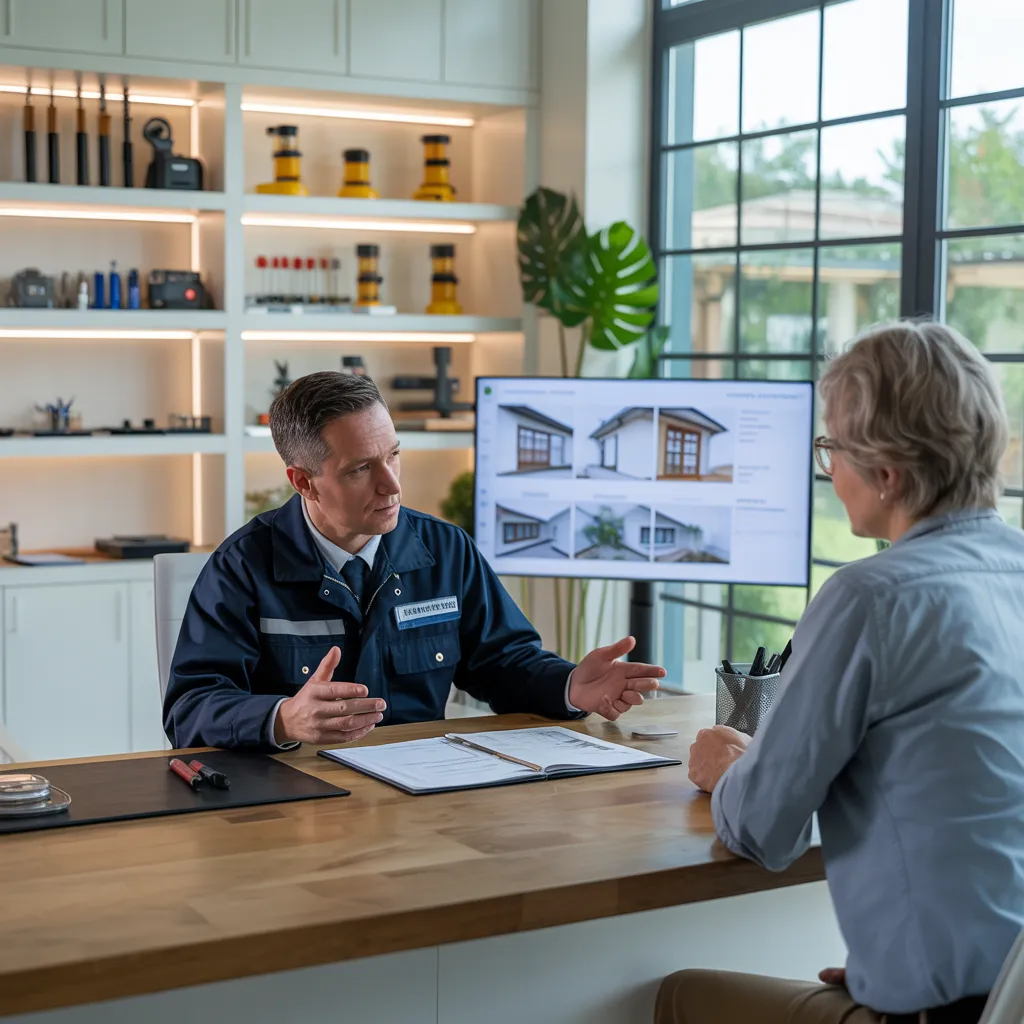
The Importance of Hiring Professional Remodeling Contractors
When householders contemplate beginning a remodeling project, they often underestimate the complexities involved, which is why employing professional remodeling contractors is crucial. These specialists possess the skill and experience necessary to navigate the myriad of challenges that can surface during a remodel. From securing permits to complying with building codes, the details of a remodeling project demand a level of expertise that most homeowners might not have.
What's more, professional contractors bring important examine guide resources, including qualified labor and access to high-quality materials, making certain that the renovation meets both aesthetic and functional standards. Their well-developed relationships with suppliers can bring about cost savings and more efficient project timelines. In addition, professional contractors can anticipate potential issues before they evolve into costly problems, ensuring peace of mind for homeowners. In the end, hiring the services of skilled remodeling contractors not only boosts the quality of the work but also facilitates the entire process, making it a smart investment.
Primary Services Provided by Home Renovation Experts
Renovation specialists provide a broad spectrum of services that cater to multiple aspects of home improvement, ensuring that every project can be adapted to meet specific needs. Common services include kitchen and bathroom remodels, where contractors can assist with layout design, cabinetry, and fixture installation to improve functionality and aesthetics. Moreover, they provide services for basement and attic remodels, transforming underutilized spaces into livable areas.
External remodeling projects, including siding replacement, new window fitting, and deck construction, are equally key offerings, enhancing both curb appeal and property value. Many contractors focus on home additions, helping homeowners to enlarge their living space smoothly. Furthermore, some provide expert solutions like energy-efficient upgrades, making sure homes satisfy modern sustainability standards. By providing these vital solutions, remodeling contractors play a crucial role in turning homeowners' visions into reality while maintaining excellent quality standards throughout the process.
How to Pick the Right Contractor for Your Building Project
Selecting the right contractor for a remodeling project requires detailed evaluation and investigation. Homeowners should start by defining their project scope and budget, which will inform their search for qualified candidates. Referrals from friends, family, or online reviews can provide important insights into potential contractors' reputations.
After a shortlist is established, it becomes crucial to validate credentials, including insurance, licenses, and previous work samples. Conducting interviews allows homeowners to assess communication practices and professionalism, while additionally confirming timelines and payment structures.
Requesting detailed written estimates from multiple contractors assists in comparing fees and services rendered. Homeowners should not hesitate to obtain references from prior clients to evaluate contentment and reliability.
In the end, selecting a contractor who matches both the project vision and the homeowner's values is vital for a favorable remodeling experience.
The Remodeling Process: Understanding What Lies Ahead
When homeowners begin a remodeling journey, they can expect a series of stages that transform their initial vision into reality. The process typically begins with a consultation, where the homeowner discusses their vision, expectations, and budget constraints with the contractor. This is followed by design development, during which plans are developed, incorporating the property owner's requirements and the builder's knowledge.
After designs are finished, permits are acquired, and the project timeline is determined. The construction phase starts, often involving demolition, followed by structural modifications, installations, and finishes. Throughout this phase, regular communication between the contractor and homeowner is crucial to address any unforeseen issues.
At last, the project culminates in a final inspection, where the homeowner examines the work prior to final payment. This systematic approach confirms that every detail is taken care of, transforming the initial concept into a completed space that embodies the homeowner's wishes.
Getting the Most from Your Investment: Tips for Successful Remodeling
A successful remodeling project can substantially increase a home's functionality and value. To optimize this investment, homeowners should first create a clear budget and timeline, ensuring that financial resources are assigned appropriately. Working with a reputable remodeling contractor is critical; their expertise can guide homeowners in making educated decisions that correspond to their vision and current market conditions.
Moreover, focusing on high-impact areas, like kitchens and bathrooms, often provides the highest returns. Home investors should also evaluate energy-efficient enhancements, which not only decrease utility costs but also resonate with environmentally conscious home buyers.
Lastly, sustaining open communication with the contractor across the project fosters collaboration and reduces misunderstandings. By sticking to these guidelines, homeowners can handle the remodeling process efficiently, in the end achieving a space that represents their personal style while improving the property's overall market value.
Most Asked Questions
What Is the Typical Timeline for a Remodeling Project?
A remodeling project's standard timeframe depends on its scope and intricacy, spanning from several weeks for small improvements to multiple months for comprehensive renovations, with design planning and permit acquisition frequently affecting the total timeline.
How Do I Prepare a Budget for Unanticipated Remodeling Costs?
To prepare for unexpected remodeling costs, individuals should allocate an additional 10% to 20% of the total budget, perform thorough research, seek advice from professionals, and keep a contingency fund for unexpected expenses across the project.
Can I Remain in My House During the Renovation Process?
Living in a home during renovations is possible, though it largely depends on the scope of the project. Clear communication with contractors and planning for necessary adjustments can help ensure comfort during the process.
Which Permits Are Necessary for Remodeling Projects?
In most cases, permits for remodeling projects include plumbing, electrical, building, and mechanical permits, subject to local regulations. Homeowners should verify with their city or county office to verify all mandatory permits before commencing renovations.
How Do I Effectively Share My Vision with the Contractor?
To communicate effectively with a contractor, one should prepare thorough visual materials, sketches, and descriptions. Clear discussion of preferences, budget, and timeline promotes understanding, ensuring the contractor aligns their work with the client's vision.